
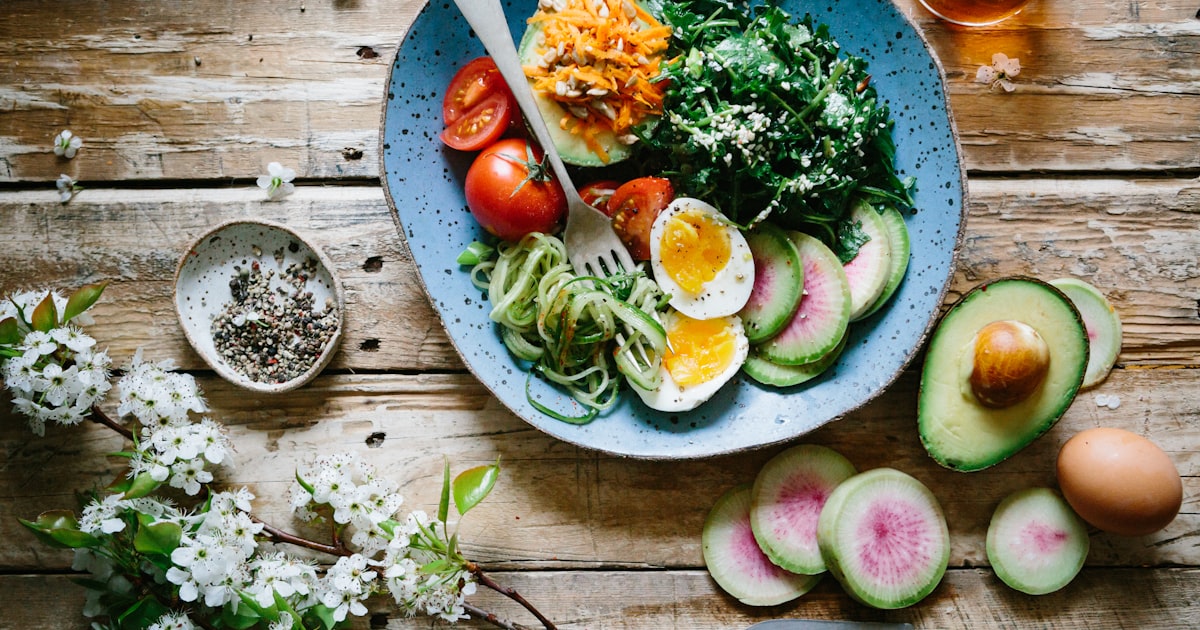
Have you ever wondered why some weeks you crave salads and smoothies, while other weeks you want nothing but carbs and chocolate? Or why your appetite seems to vanish mid-cycle, then skyrocket before your period? It's not a lack of willpower—it's your hormones. Your menstrual cycle affects your metabolism, hunger hormones, insulin sensitivity, and even which nutrients your body needs most.
Eating for your cycle means adjusting your diet to support your body's changing needs throughout the month. When you eat the right foods at the right time, you'll have more energy, fewer cravings, better moods, and balanced hormones. Let's break down what to eat in each phase—and why.
How Your Cycle Affects Your Appetite and Metabolism
Your menstrual cycle creates rhythmic changes in metabolism, hunger, and nutrient needs. During the follicular phase (first half of your cycle), your metabolism is slightly lower, and you may feel naturally less hungry. During the luteal phase (second half), your metabolism increases by about 5-10%, and your body burns more calories at rest. This is why you feel hungrier and crave calorie-dense foods before your period—your body literally needs more energy.
Hormones like estrogen and progesterone also affect insulin sensitivity. When estrogen is high (follicular and ovulatory phases), your body handles carbohydrates efficiently. When progesterone is high (luteal phase), insulin sensitivity decreases, which can lead to blood sugar swings, cravings, and energy crashes if you're not eating strategically.
Phase 1: Menstrual Phase (Days 1-7) — Nourish and Replenish
During menstruation, your body is losing blood—and with it, iron, magnesium, and other key nutrients. Hormone levels are low, energy is low, and your body is in a state of shedding and renewal. Your goal this week is to replenish lost nutrients and support your body with warming, nourishing foods.
What Your Body Needs:
- Iron: To replace what's lost in menstrual blood
- Magnesium: To reduce cramps and support muscle relaxation
- Omega-3s: To reduce inflammation and ease period pain
- Vitamin C: To enhance iron absorption
- Zinc: To support immune function and tissue repair
Best Foods:
- Iron-rich foods: Red meat, lentils, spinach, pumpkin seeds, dark chocolate
- Magnesium-rich foods: Almonds, avocado, bananas, dark leafy greens
- Omega-3 sources: Salmon, walnuts, chia seeds, flaxseeds
- Vitamin C: Citrus fruits, bell peppers, strawberries, broccoli
- Warming foods: Soups, stews, bone broth, herbal teas (ginger, chamomile)
Sample Day:
- Breakfast: Oatmeal with almond butter, banana, and chia seeds
- Lunch: Lentil soup with spinach and a side of roasted vegetables
- Snack: Dark chocolate and almonds
- Dinner: Grilled salmon with quinoa and steamed broccoli
Phase 2: Follicular Phase (Days 8-14) — Energize and Build
Estrogen is rising, and with it comes energy, motivation, and better insulin sensitivity. Your body handles carbohydrates well during this phase, so it's a great time to enjoy whole grains, fruits, and starchy vegetables. You'll likely feel less hungry and more inclined toward lighter, fresher foods.
What Your Body Needs:
- Protein: To support muscle repair and estrogen production
- Healthy carbs: For energy and brain function
- B vitamins: To support energy metabolism
- Phytoestrogens: To support healthy estrogen levels
- Fiber: To aid digestion and estrogen detoxification
Best Foods:
- Lean proteins: Chicken, turkey, eggs, tofu, Greek yogurt
- Complex carbs: Quinoa, sweet potatoes, oats, brown rice
- Phytoestrogen sources: Flaxseeds, sesame seeds, soy (tempeh, edamame)
- Fresh vegetables: Leafy greens, cucumbers, bell peppers, zucchini
- Fresh fruits: Berries, apples, citrus, kiwi
Sample Day:
- Breakfast: Greek yogurt parfait with berries, flaxseeds, and granola
- Lunch: Quinoa salad with grilled chicken, cucumbers, cherry tomatoes, and lemon dressing
- Snack: Apple slices with almond butter
- Dinner: Stir-fried tofu with brown rice and mixed vegetables
Phase 3: Ovulatory Phase (Days 15-17) — Sustain and Glow
Estrogen peaks, and so does your energy. You'll feel your best, and your body is highly efficient at using glucose. Focus on nutrient-dense foods that support liver detoxification (to clear excess estrogen) and provide sustained energy.
What Your Body Needs:
- Fiber: To help eliminate excess estrogen
- Antioxidants: To support cellular health during peak hormone production
- Healthy fats: For hormone balance and skin glow
- Cruciferous vegetables: To support liver detoxification
Best Foods:
- Cruciferous veggies: Broccoli, cauliflower, Brussels sprouts, kale
- Fiber-rich foods: Chia seeds, flaxseeds, beans, whole grains
- Antioxidant-rich foods: Berries, dark leafy greens, green tea, turmeric
- Healthy fats: Avocado, olive oil, nuts, seeds, fatty fish
- Colorful vegetables: Beets, carrots, bell peppers
Sample Day:
- Breakfast: Smoothie bowl with spinach, berries, chia seeds, and almond butter
- Lunch: Kale salad with roasted chickpeas, avocado, and tahini dressing
- Snack: Carrots and hummus
- Dinner: Baked salmon with roasted Brussels sprouts and quinoa
Phase 4: Luteal Phase (Days 18-28) — Balance and Satisfy
Progesterone rises, metabolism increases, and hunger ramps up. Your body becomes less insulin-sensitive, so blood sugar can swing more easily. You'll likely crave carbs, sweets, and comfort foods—and that's normal. The key is to honor your hunger while choosing foods that stabilize blood sugar and support mood.
What Your Body Needs:
- Magnesium: To ease PMS, support mood, and reduce cravings
- B vitamins: To support energy and neurotransmitter production (serotonin, dopamine)
- Complex carbs: To satisfy cravings and stabilize blood sugar
- Calcium: To reduce PMS symptoms and support bone health
- Healthy fats: To support hormone production and satiety
Best Foods:
- Magnesium-rich: Dark chocolate (70%+), almonds, pumpkin seeds, spinach
- B vitamins: Eggs, salmon, chickpeas, lentils, leafy greens
- Complex carbs: Sweet potatoes, oats, brown rice, whole-grain bread
- Calcium sources: Dairy (yogurt, cheese), fortified plant milk, sesame seeds
- Healthy fats: Avocado, nuts, seeds, olive oil, fatty fish
- Mood-supporting foods: Turkey (tryptophan), bananas (B6), dark leafy greens
Sample Day:
- Breakfast: Scrambled eggs with avocado and whole-grain toast
- Lunch: Turkey and avocado wrap with a side of sweet potato fries
- Snack: Dark chocolate and almonds
- Dinner: Baked chicken with roasted root vegetables and brown rice
- Evening treat: Banana 'nice cream' with almond butter
Cravings aren't the enemy—they're your body's way of asking for what it needs. The key is to honor them with nutrient-dense choices that actually satisfy you.
Why You Crave Chocolate Before Your Period (And Why It's Okay)
Chocolate cravings before your period are real—and they're driven by your body's increased need for magnesium. Magnesium supports muscle relaxation (reducing cramps), mood regulation, and energy production. Dark chocolate (70% cacao or higher) is one of the best sources of magnesium. So yes, you should eat the chocolate. Just choose high-quality dark chocolate and pair it with protein or healthy fats to stabilize blood sugar.
General Tips for Eating by Your Cycle
- Track your cycle and note how your appetite, energy, and cravings change
- Eat enough—undereating disrupts your hormones and worsens PMS
- Balance blood sugar with protein, fat, and fiber at every meal
- Stay hydrated, especially during your luteal and menstrual phases
- Don't demonize carbs or cravings—they serve a purpose
- Listen to your body—some days you'll need more food, and that's okay
Get personalized nutrition guidance
Sister Glow Up gives you daily nutrition tips, meal ideas, and recipes tailored to your cycle phase. Track your cravings, energy, and symptoms to discover what works best for your body.